Great Chain of Being
The series of seven banners and wall hangings you see around the walls of Harbour are a labour of love. The idea came from an initial need to replace three pennant banners which were beginning to fade. As well as replacing the existing three we decided to add a few more to brighten up the rest of the gathering room.
Seeking to ensure cohesion between each of the pieces, it was decided to take the concept of The Great Chain of Being. As Richard Rohr explains:
“The medieval metaphor of the Great Chain of Being was the philosophical/theological attempt to speak of the circle of life, the interconnectedness of all things on the level of pure ‘Being’. If God is Being Itself (Deus et Ens), then the Great Chain became a way of teaching and preserving the inherent dignity of all things that participate in that Divine Being in various ways. It was not intended to teach hierarchy as much as inherent sacrality, continuity and communality.”
Link 1 The firmament / Earth / minerals within Earth
Link 2 The waters upon Earth (snow, ice, water, steam, mist)
Link 3 The plants, trees, flowers, and foods that grow on Earth
Link 4 The living animals on Earth, in the skies and in the waters
Link 5 The human species, capable of reflecting on all other links
Link 6 The world of angels and the perfect communion of those who have passed over.
Link 7 The Divine Mystery Itself
For me, there has always been an inherent danger in the Great Chain, as its’ links have over centuries been read as hierarchical in importance placing the links above or below each other. For this reason, the first three wall hangings at Harbour appeared at the same time and others were made and presented out of this 1-7 sequence.
Like St Francis of Assisi, I think of the chain as more of a circle – a bracelet of interdependent links “holding all things together in unity” – all parts of God’s creation, dependent on and responsible for, and to, each other. The first four wall hangings remind us that Earth was not created for us and our pleasure alone. The first act of divine revelation is creation itself. The first Bible is the Bible of nature. We do well to remember God’s delight in what is made and the repeated refrain of “it was good” from Genesis. The Bible of nature was written at least 13.8 billion years ago, at the moment that we call the Big Bang, long before the Bible of words. “Ever since God created the world, God’s everlasting power and divinity—however invisible—are there for the mind to see in the things that God has made” (Romans 1:20).
Our ancestors had a deeply spiritual connection to the world around them. They understood that to survive and thrive, they would need to work with nature, synching with the cycles of the seasons and taking their lead from the creatures of the earth. If we consider the insight that God is at work in the “here-and-now”, (an insight which John’s Gospel encourages), then it is easy to draw the conclusion that our role is to collaborate with God in how we respond to the groaning of Earth by joining God in working for its integrity and sustenance.
In a similar way to how we respond to the needs of the human world through loving service and working for justice and healing, we are called to “creation care”, working to sustain and renew the life of Earth.
~ June Mitchell
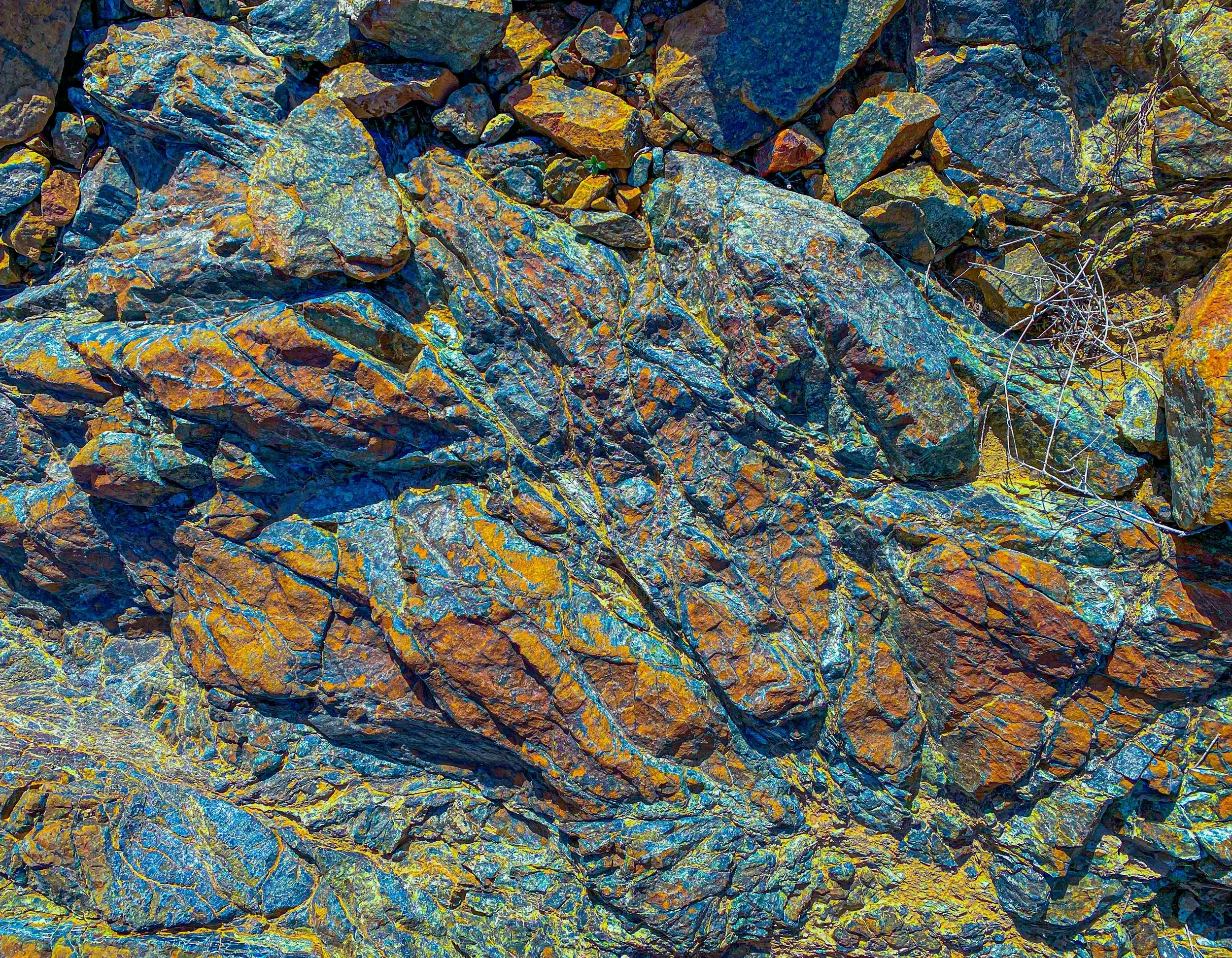
The firmament / Earth / minerals within Earth
Created by Lorna Glass
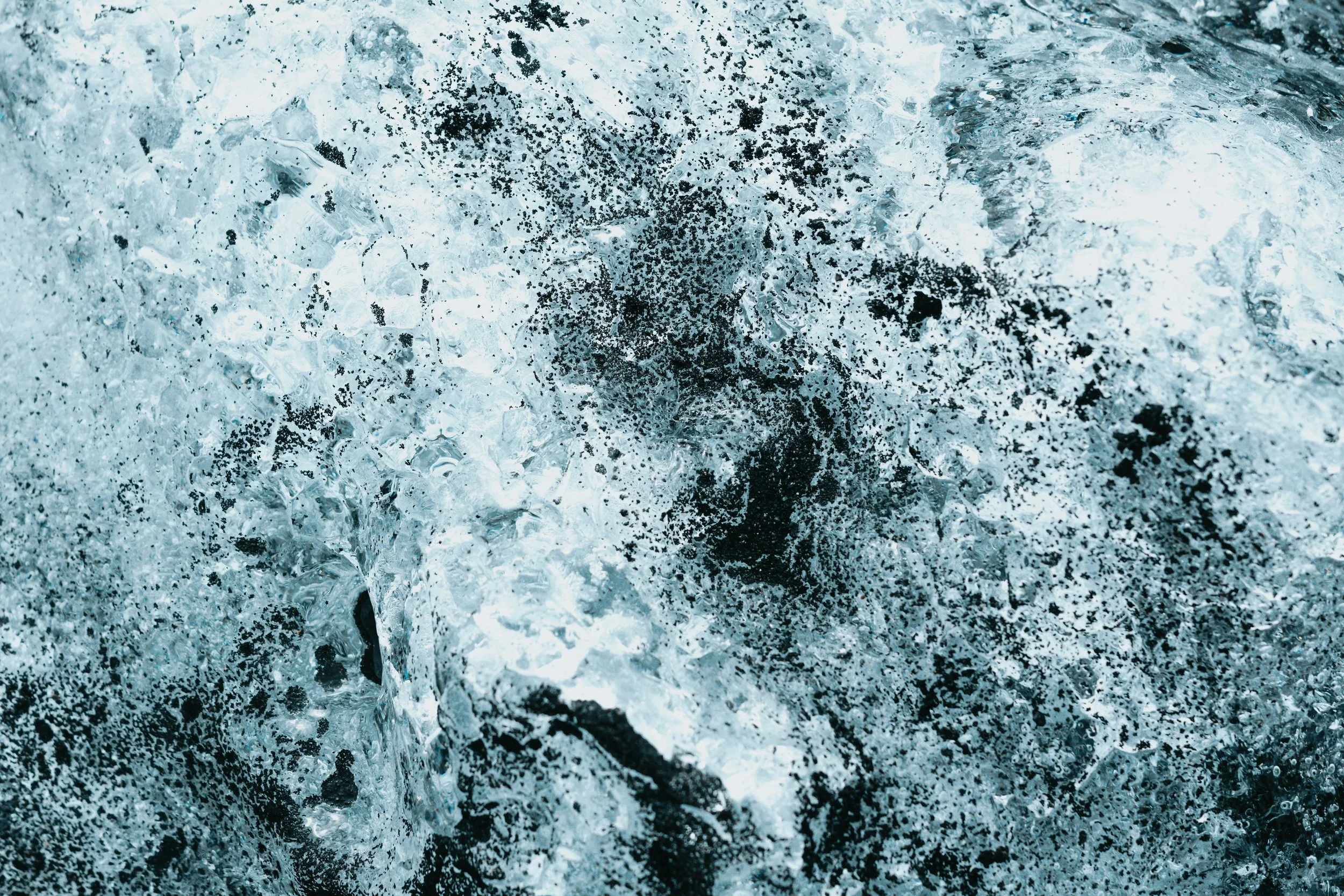
The waters upon Earth (snow, ice, water, steam, mist)
Created by June Mitchell
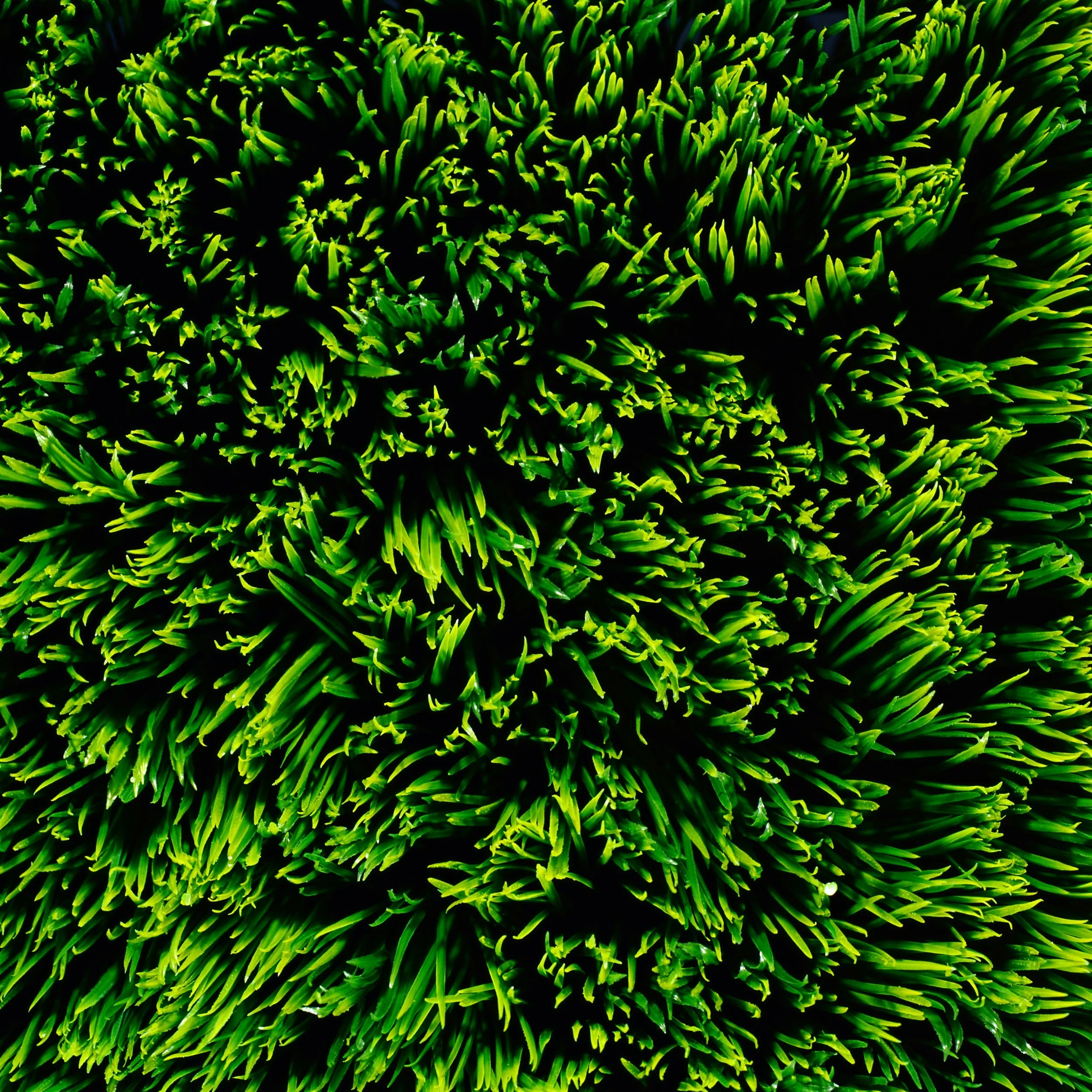
The plants, trees, flowers, and foods that grow on Earth
Created by Elaine Shanks
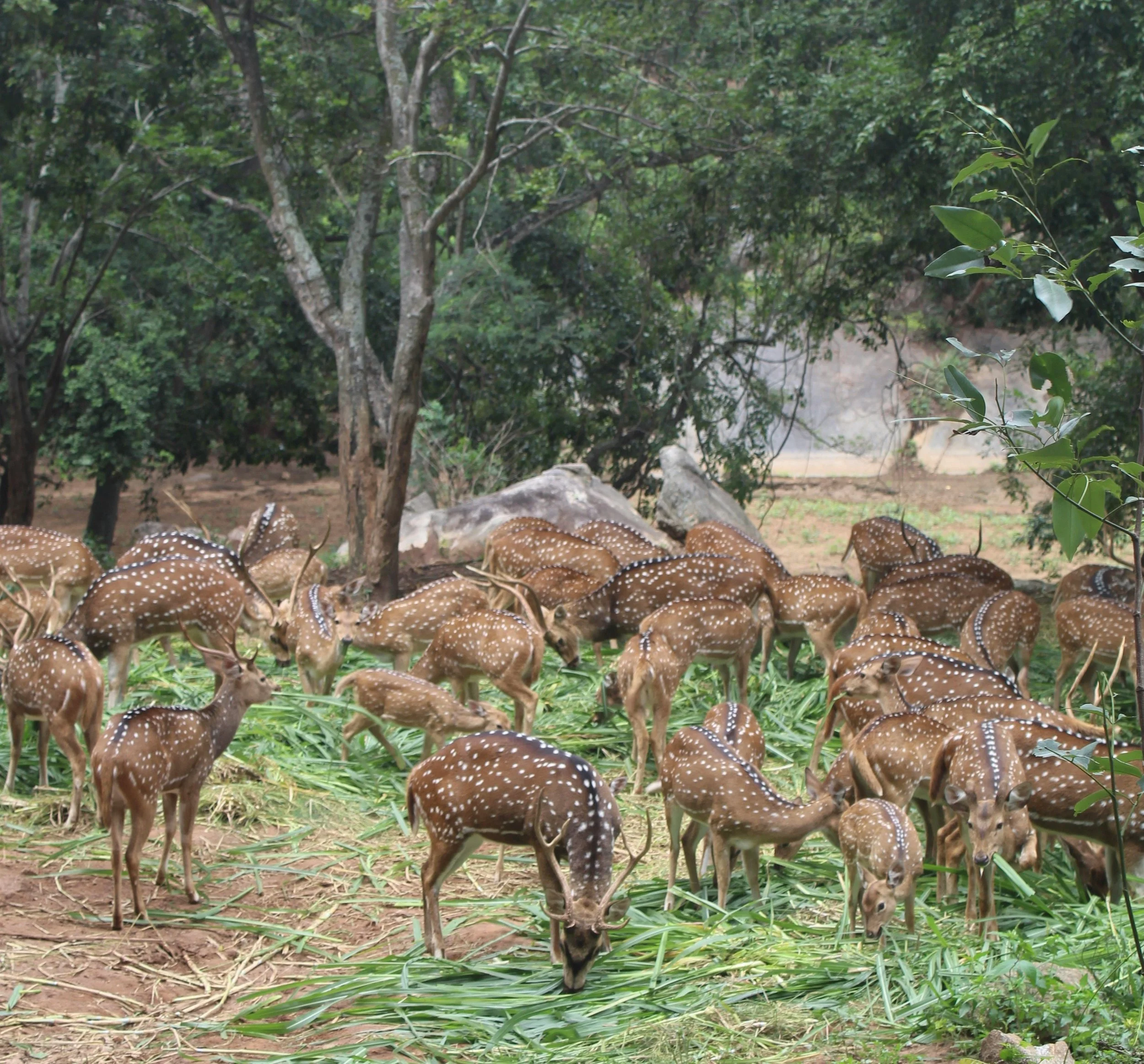
The living animals on Earth, in the skies and in the waters
Created by Lorna Glass with contributions from members of the Harbour Community
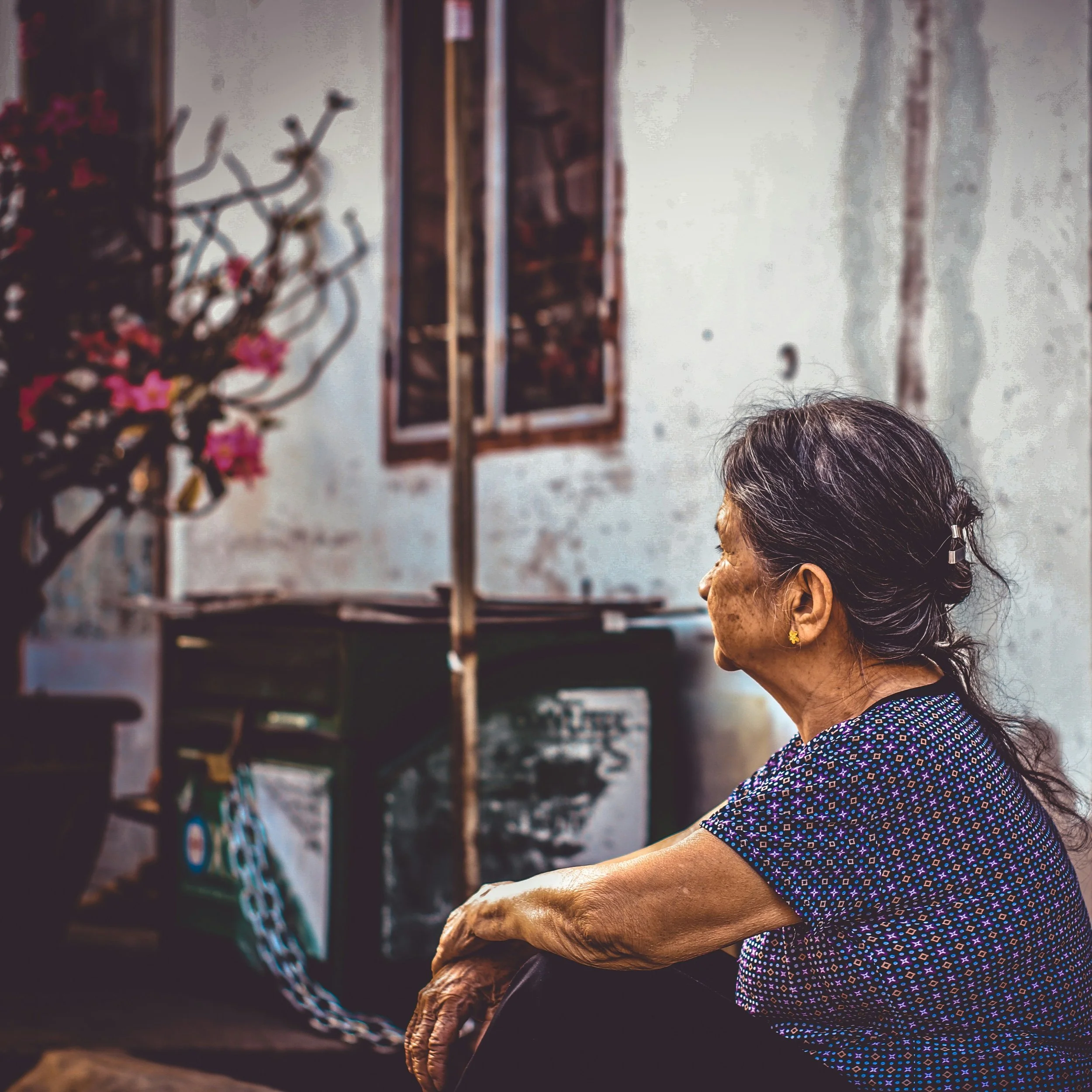
The human species, capable of reflecting on all other links
Created by June Mitchell
The design of this wall hanging was inspired by a collage titled “The Best Supper” by Jan Richardson.
It has been used in this context because it perfectly expresses the essence of community but also our connection and responsibility to and for, the earth and all creatures on Earth as well as providing an opportunity to think about the implications of what it means to be “capable of reflecting on all the other links”.
The background is green and leafy and represents Earth and all its constituent elements. The cat at the table represents the living animals with whom we share Earth, the humans around the table hopefully represent all those who attend Harbour Faith Community as well as those we meet in our daily lives and the laying of the table reflects a statement that is often used at Harbour: “You are all welcome here, and all of you is welcome here.”
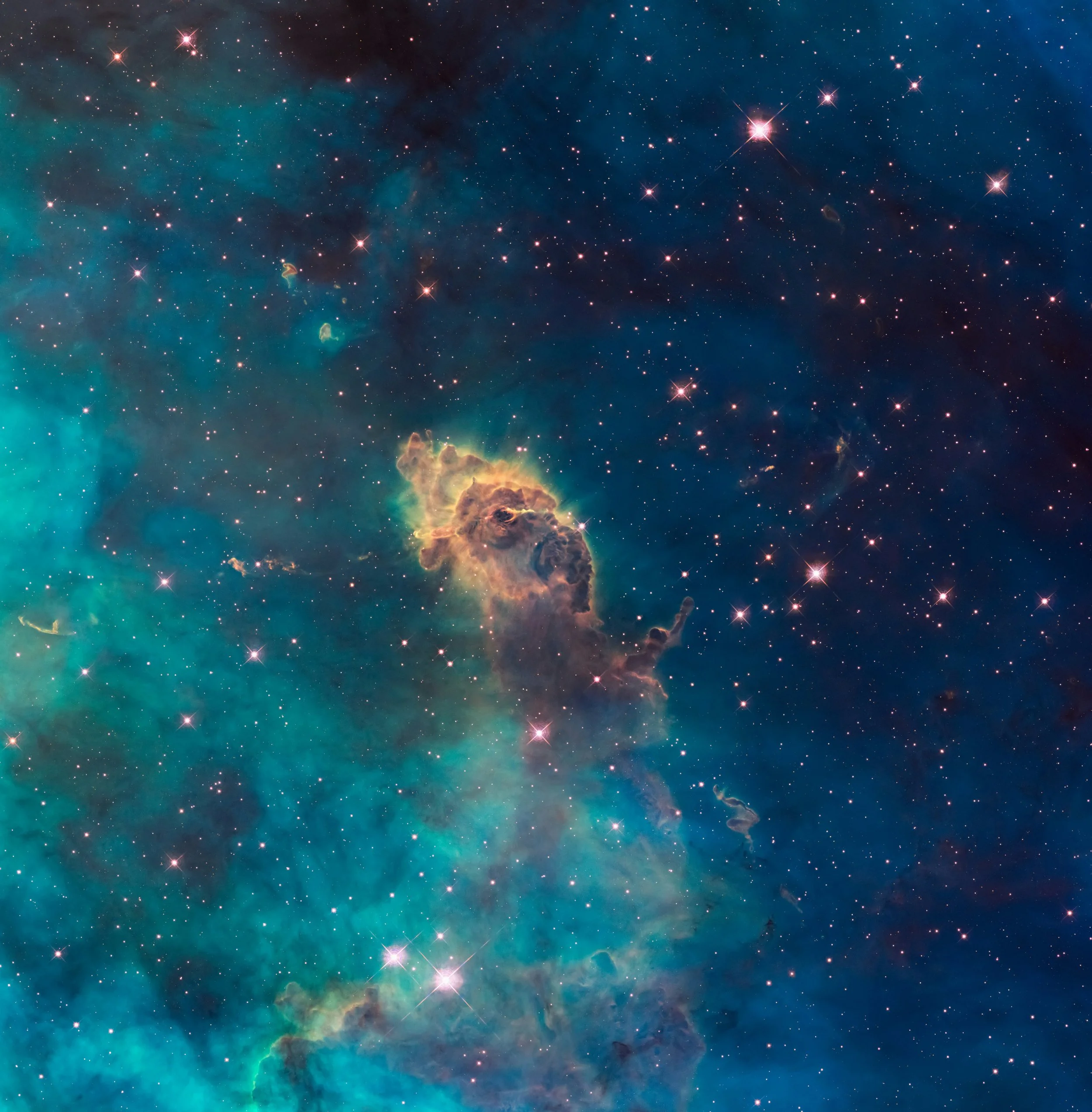
The world of angels and the perfect communion of those who have passed over
Created by June Mitchell
Inspired by the resonances and points of dialogue between quantum physics, field theory and Christian thinking that challenge materialistic worldviews and offer new metaphors for concepts such as divine action, the nature of reality and the Trinity - this wall hanging seeks to represent a reality that is fundamentally relational, where particles are constant complexes of interaction rather than isolated entities.
This resonates with the Christian understanding of a Trinitarian God who is, in essence, relational (Father, Son and Holy Spirit in mutual indwelling or perichoresis), and the holistic view of creation found in Scripture.
It also seeks to reference the love for Earth and her creatures expressed in Celtic Spirituality through the inclusion of St Brigid’s sunbeam on which she hung her cloak while visiting the sick in the community.
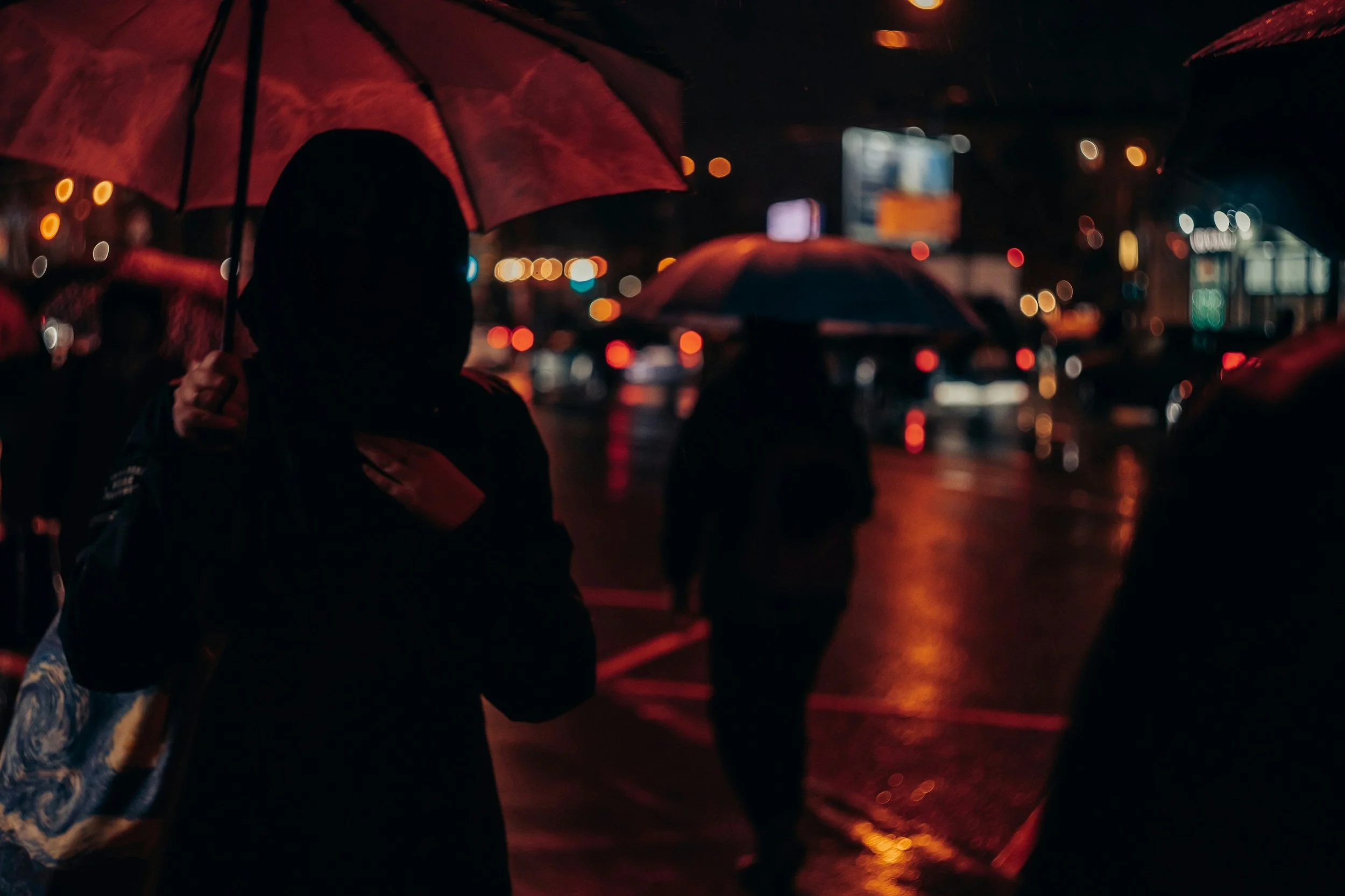
The Divine Itself
Created by June Mitchell
This wall hanging was inspired by two things – a graphic created for Diverse Church and a Richard Rohr daily meditation - which started with the introduction:
“What if every person were treated as an image of the Divine?”
It quoted Rabbi Sharon Brous asking:
“What would it mean to build a society in which every person is treated as an image of the Divine? How would this affect our relationships with our neighbours, our co-workers, the stranger lying beneath stained blankets with the trash outside Starbucks?
Wouldn’t it compel us to recast the cultures of our schools, organizations, and faith communities? How would it impact health care, education, public policy?… How would it transform our criminal justice systems—where today judgment is too often rendered based on whether a person is black or white, rich or poor, straight or queer rather than guilty or innocent?
The challenge is to imagine a fundamentally different reality: a world in which we recognize and fight for each other’s dignity. A world in which we train our hearts to see even the people others might render invisible. A world in which we recognize that we - images of the Divine - are all bound up in the bond [or chain] of life with one another. And our hardest and holiest work is not to look away.”
This design of this banner incorporates the colours of LGBTQ+ Pride, Disability Pride and People of Colour banner. It incorporates the loving hand of God with their image here in this place. I hope you will find something here that recognises and represents you.
These images are not portraits, but they are inspired by people I have met in this place. Maybe you can connect with a profile, a hair style or your favourite colour – something that you identify with and know that you are a beloved human made in the image of God and that you are welcome here and that all of you is welcome here and can then go out from this place and share that love with others.